With most businesses operating online, a web agency serves as a guiding light for small businesses and medium-sized companies. These agencies help them grow and strengthen their position against competitors.
Web design services and agencies are more than just building a website for their clients. A new web design business must consider not only website creation, but also how to attract clients, build a reputation, and expand service offerings.
A successful web design agency also conducts research, develops ideas, and builds websites. It also consults with its new clients, making their vision a reality.
This guide covers how to start a web design agency with your own website hosted on a VPS service, such as HostPapa. You’ll also learn about the requirements and read tips to propel you forward in building a successful business.
Starting a web design agency involves defining a specialty, creating a business plan with productized services, handling legal setup, building a portfolio, mastering modern marketing, and focusing on exceptional client experiences.
Creating a strong brand identity, planning your website design, and your business details are imperative for your web design agency to stand out and succeed in a competitive market.
- What Is a Web Agency in Today’s World?
- Identify Your Web Agency’s Direction & Market Positioning
- Starting Your Web Agency With Low Costs
- Building Your Agency Brand & Online Presence
- Why VPS Hosting Is Essential for Web Agencies
- Client Acquisition Strategies for New Agencies
What Is a Web Agency in Today’s World?
A web agency is a company that provides entire digital solutions to help businesses establish and strengthen their online presence, drive traffic, and achieve measurable growth. In the broader web design industry and web development landscape, agencies stay informed about industry trends, competition, and client needs to remain competitive and successful.
Business growth goes far beyond just building a website. Modern web agencies integrate strategy, design, development, and marketing to create a cohesive and influential digital ecosystem.
It’s important to note the distinction between a web designer who focuses on visual elements and user experience, and a web developer, who handles the technical and functional aspects. Agencies may specialize in one or both roles, depending on their expertise and target market.
Identify Your Web Agency’s Direction & Market Positioning
An agency can better market itself if it’s focused on a specific niche.
Why?
Specializing in a particular sector like healthcare, SaaS, or real estate allows an agency to be perceived as an expert in that field. Clients prefer specialists who understand their industry’s unique challenges, language, and compliance regulations over generalists.
So, in order to get your web agency started, you need to focus on a few specific things. You need to conduct thorough research on the market you want to focus on, gathering every detail that may be helpful in the process.
But, you can’t stop there. You must also test your theory with a pilot project to collect insights and data for your next one.

1. How to Research Underserved Markets
Listen to online conversations: Monitor online forums, social media (Reddit, LinkedIn groups, all depending on your specialty), and review sites for recurring customer complaints or unmet needs related to websites and digital marketing. Look for user comments wishing for specific tools or features that you may provide.
Getting to know how potential clients search for web design agencies is also crucial. Sharpen your online presence, including your social media profiles, to reach and attract potential clients when they search for relevant services.
Analyze existing markets for gaps: Take a broad industry (such as healthcare) and drill down into specific segments (private practice therapists, then therapists needing HIPAA-compliant booking systems). Analyze competitors’ offerings to find where their services are generic or lacking.
Then use tools such as Google Trends to identify rising interest in specific topics or emerging technologies, and help potential clients find you as a knowledgeable web designer.
This straightforward strategy offers field-focused marketing advantages by enabling highly targeted and cost-efficient campaigns, fostering strong customer loyalty through customized solutions, establishing authority as an expert, and decreasing direct rivalry.
Additionally, in terms of pricing, it permits premium charges due to the specialized value provided, resulting in higher profit margins and better differentiation from commoditized competitors.
2. Analyze the Data & Make a Deep Dive
- Keyword research: Use SEO tools (like Google Keyword Planner, Ahrefs, or Semrush) to find specific, long-tail keywords (for example, website design for independent coffee shops) that have a decent search volume but potentially lower competition. Focus on fine-tuning for search engines to boost your website’s visibility and attract potential clients.
- Gather direct feedback: Conduct surveys and one-on-one interviews with potential clients in the field you’re considering. Ask open-ended questions about their challenges, existing solutions, and willingness to pay for a specialized service.
- Competitor analysis: Analyze, in-depth, the few existing players within your potential specialty. Evaluate their websites, pricing, and customer reviews to find specific gaps in their service or user experience that your agency can improve upon.
- Assess financial viability: Make sure the market has clients with sufficient budgets and sustainable demand. A less competitive market may be so because it’s unprofitable.
3. Testing & Positioning With Your First Project
- Create a pilot project: Before fully committing yourself, run a small, paid pilot project with a client in the niche to test your approach, refine your services, and gather initial success metrics and testimonials from satisfied clients. These testimonials help build trust and credibility with potential customers.
- Develop customized solutions: Based on your findings, create specialized service packages and marketing messages that speak directly to the unique pain points of this specific audience.
- Measure and adapt: Track key metrics such as website traffic sources, conversion rates, and client satisfaction. Continuously solicit feedback and be prepared to refine your offerings as the market evolves. Showcasing past work is a must to attract new clients to your web design agency.
Starting Your Web Agency With Low Costs
Once you’ve validated your niche, it’s time to efficiently and affordably set up your business infrastructure.
A realistic startup budget for creating a website and obtaining all required business permits is $500—$1,000. This will vary in different countries, so consult an accountant or business advisor. It’s important to spend money wisely on basic business tools and software that will help you run your agency smoothly and boost productivity.
Typical core expenses include:
- Domain registration and web hosting.
- Website builder or CMS.
- Branding and logo design.
- Marketing and advertising.
- Setting up business software for project management, contracts, and accounting to keep your operations organized and professional.
Necessary Expenses for a Web Agency
To keep costs down, focus on only what is truly necessary to launch and start serving your target audience. Typical core expenses include:
- Business registration and any required permits, which often range from about $50 to $500, depending on jurisdiction and structure. Registering as a Limited Liability Company (LLC) is a recommended option, as it provides legal protection and establishes your agency as a professional entity. Establishing a solid legal foundation for your web design agency helps build client confidence. Be sure to learn the specific legal requirements for registering your agency in your region. Consider hiring an attorney or purchasing liability insurance to protect your business.
- Domain registration and basic hosting, around $50—$200 per year for a professional domain, plus entry-level shared or VPS hosting plans.
- A website builder or WordPress stack, which can cost as little as $3—$30 per month with modern plans that bundle SSL, templates, and a user-friendly control panel.
- Basic design tools such as Canva, Figma, or similar, which offer free tiers and low-cost upgrades in the $0—$50 per month range and are enough to create a visually appealing portfolio site and client deliverables.
- Legal document templates (service agreements, NDAs, website terms) from reputable providers, typically $50—$200, to cover scope, payments, and ongoing maintenance commitments.
Bootstrap Strategies
Keeping startup costs low is less about starving the business and more about using smart content marketing and acquisition tactics instead of heavy ad spend. In the beginning, prioritize:
- Using free or affordable tools for project management, design, and communication so you can invest more in hosting and core infrastructure.
- Building a portfolio with discounted, pro bono, or personal projects that demonstrate your design skills and problem-solving in a specific industry, even before big clients come in. Leverage your personal network: friends, family, and former colleagues for referrals and initial projects to kickstart your client base.
- Leveraging freelancers from job boards and online communities (for instance, Upwork, niche Slack groups) instead of hiring full-time staff, which keeps your fixed costs low while still allowing you to deliver complex or custom software projects when needed.
- Running a remote-first model to avoid office rent, relying on cloud tools and social media to coordinate work and showcase client wins.
- Starting with one or two core services (for example, web design + basic SEO) and only expanding into add-ons like content marketing, own software products, or more advanced custom software builds once you have predictable revenue.
Building Your Agency Brand & Online Presence
After you have made your market audit, it’s time to self-reflect and start with your agency’s name, logo, and complete visual identity.
The essentials for starting a web agency include:
- Naming your web agency.
- Logo and visual identity.
- Brand voice and messaging.
- Colour palette and typography.
Creating Your Agency’s Website
Next up is developing your agency’s website. Most agency owners seek minimalist, dynamic websites with bold lettering, colors, and engaging copy to attract clients.
It’s important to note that the pages your website must have to better communicate what you do are:
- Home.
- About Us.
- Services.
- Portfolio.
- Contact.
Choosing the platform on which you’ll build your website is also central to success. Custom software, frameworks, and software stacks often tell customers that your web agency can work beyond templates and pre-made visual styles.
Building from the ground up or using advanced frameworks allows complete control over the user experience and site architecture. However, having a solid foundation, such as WordPress, is also highly regarded among web agencies.
Why VPS Hosting Is Essential for Web Agencies
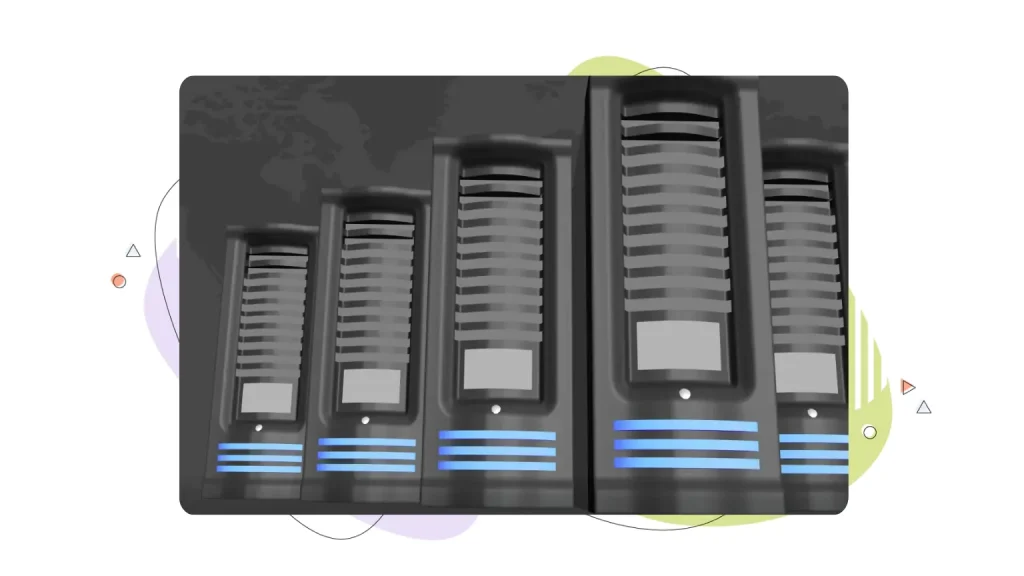
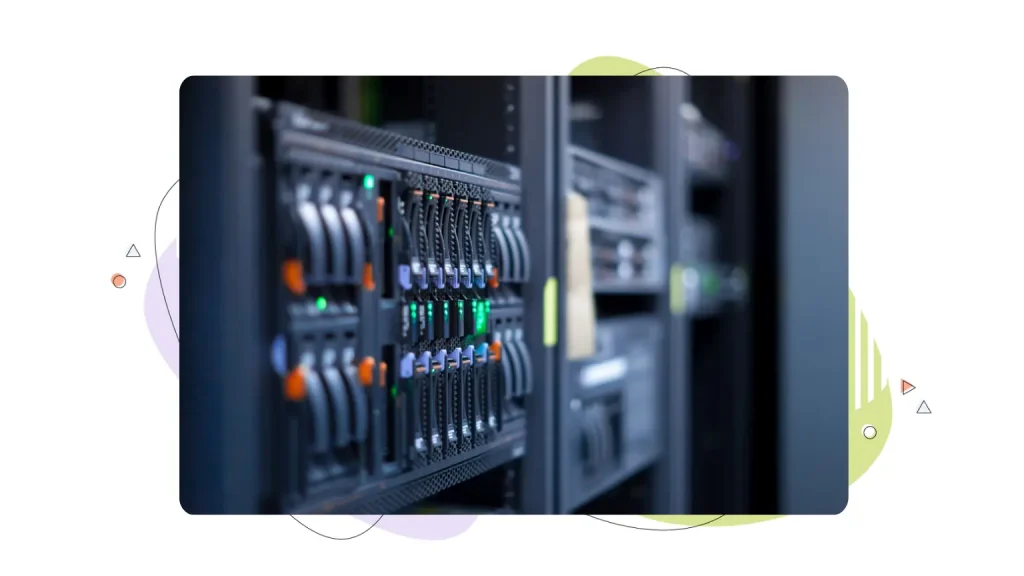
Virtual Private Server hosting uses virtualization to split one powerful physical server into multiple isolated virtual private servers, giving each user dedicated resources (CPU, RAM, storage) and their own operating system.
Agencies prefer that type of web hosting because it enables the deployment of multiple websites and the effortless management of all of them for your clients, via their own control panel. Essentially, each client manages their own virtual server.
This setup acts like a private server within a shared machine, offering even more control and stability than simple web hosting, which is considered the holy grail for small businesses, but is cheaper than a dedicated server.
In HostPapa’s case, these servers run various Linux operating systems, support installing custom software, and provide full root access to the entire setup, all through an intuitive user interface design.
Most Important VPS Features for Agencies
- You have the ability to create your own hosting plans and sell them to your clients.
- NVMe/SSD storage for increased speed.
- Includes plans with a multi-core CPU, indicating support for more than 5 websites.
- Server-side caching (Redis, Varnish, Nginx).
- CDN integration with hundreds of global locations.
- Ability to monitor websites via the industry-standard control panel, cPanel.
- Many security features, including firewall, DDoS, and SSL certificate management.
Creating Service Packages
VPS hosting solutions are ideal for building websites for your clients, as you can easily monitor and manage them through the cPanel web hosting control panel.
For your clients, you can create your own web design services packages or sell VPS hosting space as an additional revenue stream.
Most successful web design agency models use three tiers:
- Starter ($3,500—$5,000 for basic web design with social media integration and ongoing maintenance).
- Professional ($5,000—$7,500 with visually appealing custom layouts and interactive elements).
- Premium ($7,500—$15,000+, including custom software, eCommerce, and content marketing for a more complete package).
Your VPS solution becomes profitable beyond project work. Bundle managed hosting ($50—$200/month per site) into packages to generate recurring income, or use white-label providers to resell cloud hosting under your own web design business brand.
For instance, many agency owners offer subscription models ($400—$1,500/month) that include web development, ongoing maintenance, security updates, and server management tasks.
Position your pricing strategy using value-based pricing tied to outcomes rather than project-based pricing alone. Leverage search engines, online communities, and job boards to find new clients in a specific industry or specific niche.
Client Acquisition Strategies for New Agencies
Landing your first clients and building a sustainable pipeline is often the biggest challenge new agencies face. The good news? You don’t need a massive marketing budget to attract quality clients. The emphasis is on the tactics.
Networking and building relationships are a must for finding your first clients. Often, your initial projects will come from people you already know. Networking through personal connections and social media can also help you find new clients for your web design agency. Additionally, leveraging existing or former clients for referrals and repeat business is a powerful way to build momentum and credibility.
According to recent agency surveys, the most effective client acquisition channels are referrals, SEO, and inbound marketing, followed by social media and targeted paid advertising. Let’s break down each strategy with actionable steps you can implement immediately.

Most Powerful Channels
Referral Programmes
Referrals convert at higher rates than any other channel because they come with built-in trust. When a satisfied client recommends your agency, prospects are pre-qualified and already inclined to work with you.
Create a formal system that makes it easy for clients to refer you. The best referral programs today share three key elements: clear incentives, simple processes, and ongoing communication.
Common models for agencies include:
- Percentage-based rewards: 10—15% of the first project value or first month’s retainer.
- Flat-rate bonuses: $500—$2,000 per successful referral, depending on project size.
- Service credits: Free hours or months of service for referrers.
- Tiered rewards: Increasing benefits for multiple referrals (3 referrals = $1,000, 5 referrals = $2,500).
The SEO Route
While SEO takes 3—6 months to show results, it becomes your most cost-effective acquisition channel over time. Agencies that rank for relevant keywords generate consistent inbound leads without ongoing ad spend.
Your website must demonstrate your expertise while ranking for terms prospects search. Focus on these technical and content optimizations.
Target high-intent keywords such as web design agency [your city], custom WordPress development, eCommerce website design, and industry-specific terms such as healthcare web design agency.
Technical SEO essentials include:
- Page speed under 3 seconds (compress images, enable caching, use your VPS’s CDN).
- Mobile-responsive design that passes Google’s mobile-friendly test.
- Schema markup for local business, organization, and service listings.
- Core Web Vitals optimization (LCP, FID, CLS metrics).
- SSL certificate and HTTPS security.
Local SEO for Near Me Searches:
Local searches like web design agency near me have 4,400 monthly searches and high commercial intent.
- Claiming and optimizing your Google Business Profile.
- Building local citations.
- Earning local backlinks.
- Content Marketing Strategy.

Outbound Strategies
While inbound channels build over time, outbound tactics generate leads immediately when executed properly.
Cold Outreach
Cold outreach remains highly effective when personalized and multi-channel. The key is relevance over volume. Targeted campaigns to well-researched prospects consistently outperform generic mass emails.
A multi-channel approach: email, LinkedIn, and Instagram, is preferred, because single-channel outreach rarely works.
Networking and Events
Face-to-face connections (virtual or in-person) build trust faster than any digital channel.
Attend 2—4 relevant conferences annually:
- Web design/Development conferences (An Event Apart, Smashing Conf).
- Industry-specific events where your ideal clients gather (eCommerce, healthcare, finance conferences).
- Marketing and agency conferences (Agency Management Institute Summit).
Content Marketing
Content establishes authority, generates organic traffic, and nurtures prospects through the buying journey. The things you can do are: write articles for other media and create social media content for all the various platforms.
Paid Advertising
Paid channels deliver immediate visibility while organic efforts build momentum. Here are some of our notes for paid advertising:
- Google Ads: Google Ads for agencies requires careful targeting to avoid wasting your budget on unqualified leads.
- LinkedIn Ads: LinkedIn’s targeting precision makes it ideal for agencies serving specific industries or company sizes.
- Facebook/Instagram Ads: While less B2B-focused than LinkedIn, Facebook/Instagram work well for local agencies and specific verticals.
Summing It Up
Our final thoughts are that launching a web design agency doesn’t require huge capital, but it does demand clear positioning, lean operations, and a strong focus on your target market. Building and scaling your own web design agency is an entrepreneurial journey. It lets you turn your web design skills into a profitable business and establishes your brand in the industry.
By starting with a narrow set of services, VPS servers can efficiently manage multiple client sites. By leaning on content, referrals, and social media instead of heavy ad spend, you can build a profitable agency on a realistic budget. Continuous learning and staying updated with web design trends are imperative for sustaining long-term expansion and success in your own web design agency.
Over time, layering in value-based pricing, retainers, and productized services turns your agency from a project-by-project hustle into a stable, scalable business.
From a technical perspective, choosing the right VPS plan and control panel gives you complete control over performance, security, and deployment workflows as you grow.
Pair that with solid processes for onboarding, delivery, and ongoing maintenance, and you have a foundation that can support higher-ticket clients, more complex builds, and even custom software or your own software products down the line.
The agencies that win in 2026 are the ones that blend reliable infrastructure with clear communication, measurable results, and a genuine understanding of their clients’ businesses.
FREQUENTLY ASKED QUESTIONS
What’s the difference between VPS Hosting & Reseller Hosting?
VPS (Virtual Private Server) hosting provides a dedicated slice of server resources (CPU, RAM, storage) on a virtual machine, where you manage the operating system, stack, and control panel, giving you complete control over how you configure and optimize each site. Reseller Hosting, by contrast, often sits on a simple web hosting environment where the provider manages the server, and you simply carve out smaller shared plans to sell to clients through a branded interface without low-level server access.
How much does it cost to start a web design agency in 2026?
You can launch a web design agency for $500—$1,000 covering necessities such as business registration ($50—$500), domain registration and hosting ($50—$200/year), website builder or WordPress ($3—$30/month), basic design tools ($0—$50/month), and legal templates ($50—$200).
Developing a comprehensive pricing strategy is imperative for the sustainability of your web design business.
How many websites can one VPS handle?
Capacity depends on your VPS resources and site complexity. Our data shows that a 1 vCPU/1GB RAM VPS can handle 1—3 static sites, while a 2 vCPU/4GB RAM plan supports 5—10 moderate-traffic WordPress sites.
What’s the best pricing model for new agencies?
Most new agencies succeed with a hybrid approach: offer tiered packages ($3,500—$7,500 per project) for transparency and easy sales, combined with monthly retainers ($1,500—$5,000) for ongoing maintenance, updates, and support. You can shift toward value-based pricing at any time.
Do I need coding skills to start a web agency?
Not necessarily, but it’s good to have them. Many successful agencies use no-code/low-code tools like Webflow, WordPress page builders, or website builders that require minimal technical knowledge. However, having basic design skills and understanding web fundamentals (hosting, domains, site performance) helps you deliver better results and troubleshoot issues that may arise.
How long does it take to become profitable?
Most agencies see their first paid project within 30—90 days if actively networking and doing outreach. Reaching consistent monthly profitability ($5,000—$10,000/month) typically takes 6—12 months as you build your portfolio, refine your services, and establish referral networks.
Do web design agencies need to meet accessibility standards?
Yes, agencies must guarantee all websites meet WCAG (Web Content Accessibility Guidelines) standards for accessibility. This includes proper color contrast, keyboard navigation, and screen reader support to make sure your sites are usable by everyone.