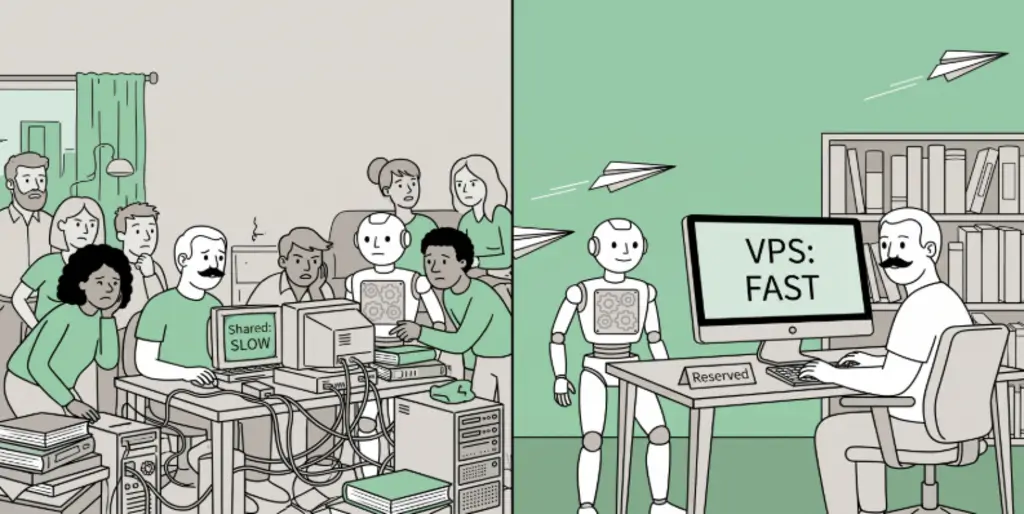
Shared hosting is an excellent place to start. It’s affordable, simple to manage, and gives new websites everything they need to get online quickly. But as your business grows, your hosting needs grow with it. What worked for a brand-new website may no longer provide the speed, reliability, or flexibility your visitors expect.
If you’ve started noticing slower performance, resource limitations, or increasing downtime, you may be wondering when to upgrade to VPS hosting. The good news is that you don’t have to wait until your website is struggling to make the move. Recognizing the early signs you need VPS hosting can help you avoid lost traffic, frustrated visitors, and missed business opportunities.
In this guide, we’ll walk through seven clear signs your website has outgrown its current hosting plan, explain what changes when you upgrade from shared hosting, and show how moving to a VPS can help your growing website deliver faster performance, better reliability, and more room to scale.
- 7 Signs You Need to Upgrade to VPS Hosting
- What Else Changes When You Move to VPS?
- Is VPS Right for You Right Now?
- Making the Move With HostPapa

7 Signs You Need to Upgrade to VPS Hosting
1. Your Site Slows Down During Traffic Spikes
One of the biggest signs you need VPS hosting is how your website behaves during periods of increased traffic.
Maybe you’ve launched a new product, published a blog post that’s gaining traction, or started running paid advertising. Everything is going well until your website suddenly slows to a crawl or stops responding altogether.
This happens because shared hosting distributes server resources among many websites. When multiple sites experience increased activity at the same time, everyone competes for the same pool of CPU power and memory. Even if your own website is optimized, activity from neighboring websites can still impact your performance.
A VPS gives you dedicated resources that belong only to your website. Your allocated CPU and RAM remain available regardless of what other customers on the physical server are doing. Instead of worrying that a traffic spike will overwhelm your site, you can continue serving visitors with consistent performance.
If you’re regularly seeing traffic increases, even if they’re occasional, it’s often a sign that shared hosting has become a limiting factor rather than a helpful starting point.
2. You’re Hitting Entry Point Limits
Another common sign of when to switch to VPS hosting is encountering entry point limits.
Most shared hosting plans place restrictions on how many simultaneous requests your website can process. While the exact number varies by provider, many shared environments allow around 40 concurrent entry points before new requests begin failing.
For small websites with light traffic, this isn’t usually a problem. But growing businesses quickly reach these limits. Online stores processing multiple purchases, forums with active discussions, membership websites, and booking platforms often have dozens of visitors interacting with the site simultaneously.
When those limits are exceeded, visitors may experience:
- Blank pages
- Server errors
- Failed checkout attempts
- Interrupted user sessions
- Slow or incomplete page loads
These issues don’t just frustrate visitors; they can directly affect revenue and customer trust.
With VPS hosting, your server has significantly more resources available to handle concurrent activity. Instead of worrying about hitting an artificial ceiling during your busiest hours, your website can comfortably support more users at the same time.
If your business is growing and your website is becoming more interactive, upgrading from shared hosting before these limits become a daily problem is a smart investment.
3. Your Page Load Times Are Getting Worse
Now, VPS vs shared hosting performance. What comes first?. Well, website speed matters more than ever.
Visitors expect pages to load almost instantly, and search engines like Google consider page experience and loading performance when evaluating websites. Even small delays can increase bounce rates, reduce conversions, and negatively impact your search visibility.
If your pages have gradually become slower despite optimizing images, caching, and plugins, your hosting environment may be the real bottleneck.
Shared hosting resources naturally fluctuate as websites are added to or removed from the server. As more customers compete for available memory and processing power, your website has fewer resources available when it needs them most.
A VPS solves this problem by providing dedicated RAM, typically starting around 2 GB and scaling well beyond 16 GB depending on your hosting plan. Because those resources are reserved for your website, important processes like database queries, PHP execution, and page rendering remain consistent even during periods of higher activity.
The result is:
- Faster page loading
- More responsive websites
- Better visitor experience
- Improved performance for search engines
- More consistent speeds throughout the day
If website speed has become an ongoing concern, it’s one of the clearest signs you need VPS hosting.
4. You’re Running a Complex Website or Web Application
Not every website has the same technical requirements.
A simple informational website with a handful of pages doesn’t place heavy demands on a server. But today’s growing businesses often rely on much more sophisticated websites that perform dozens, or even hundreds, of background tasks every time someone visits.
Examples include:
- WooCommerce stores with hundreds or thousands of products
- Membership websites managing user accounts
- Learning management systems (LMS)
- Customer portals
- Booking and reservation platforms
- SaaS applications
- Custom-built web applications
These websites constantly interact with databases, process customer information, generate dynamic content, and execute server-side code. All of that requires consistent processing power.
Shared hosting environments are designed for general-purpose websites, not resource-intensive applications. As your site’s complexity increases, you’ll often notice slower database queries, delayed page generation, or performance issues during busy periods.
VPS hosting provides dedicated CPU cores, reserved memory, and isolated server resources that allow these more demanding applications to operate smoothly. Your website can continue processing transactions, serving dynamic content, and running background tasks without competing for resources with unrelated websites.
If your website has become an essential business tool rather than simply an online brochure, upgrading to VPS hosting gives it the infrastructure needed to support continued growth.
Along the way, it’s also worth learning how to properly configure your environment. Our guide on setting up VPS hosting on HostPapa walks through the essentials of getting your server ready for production, while agencies managing multiple projects can benefit from our article on how to start a web agency with VPS hosting, which explores why VPS is a popular choice for growing client portfolios.
5. You Need More Control Over Your Server Environment
As your website becomes more sophisticated, you may discover that shared hosting doesn’t give you the flexibility you need.
Shared hosting is designed to be simple, which means many server settings are managed by your hosting provider. While that’s convenient for beginners, it can become limiting as your technical requirements grow. You may want to install custom software, configure advanced security settings, schedule automated tasks with cron jobs, or use a specific PHP version that’s not available on your shared plan.
For developers and agencies, these restrictions can slow down projects or make certain applications impossible to run.
With VPS hosting, you gain much greater control over your server environment. Depending on your plan, you can choose root access for complete administrative control or opt for a managed VPS where your hosting provider handles server maintenance while still allowing far more customization than shared hosting.
This additional flexibility makes VPS hosting an excellent choice for:
- Developers working with custom applications.
- Agencies managing multiple client websites.
- Businesses using specialized software.
- Websites with unique server requirements.
- Anyone who wants more control over security and performance settings.
If you’re constantly running into limitations that prevent you from configuring your hosting environment the way you need, it’s probably time to switch to VPS.
6. You’re Receiving Resource Limit Warnings
Your hosting provider may already be telling you it’s time to upgrade.
Many shared hosting providers monitor resource usage and automatically notify customers when they’re approaching or exceeding limits for CPU usage, memory, storage, or bandwidth.
At first, these notifications may seem harmless. But they’re often an early warning that your website is outgrowing its current hosting plan.
Ignoring these alerts can eventually lead to problems such as:
- Slower website performance
- Automatic throttling
- Temporary service interruptions
- Additional usage fees
- Account suspension in severe cases
Even if your website still appears to be functioning normally, consistently exceeding resource limits means you’re operating with very little margin for growth. The next marketing campaign, seasonal promotion, or traffic surge could push your site beyond what shared hosting can handle.
Upgrading before that happens gives your website room to grow while maintaining a positive experience for your visitors.
Rather than waiting until performance suffers, treat these warnings as an opportunity to move to a hosting solution that’s designed for your current level of traffic.
7. Downtime Is Costing You Business
Every minute your website is unavailable has consequences.
For an online store, downtime can mean abandoned shopping carts and lost sales. For service-based businesses, it could mean missed inquiries or appointment bookings. Even informational websites risk losing credibility if visitors repeatedly encounter error pages.
One of the challenges with shared hosting is that your website shares infrastructure with many other customers. If another website experiences unusually heavy traffic or consumes excessive server resources, it can sometimes affect neighboring accounts.
A VPS dramatically reduces that risk by isolating your hosting environment. Your dedicated resources remain available to your website without interference from other customers sharing the physical hardware.
HostPapa backs every VPS hosting plan with a 99.9% uptime guarantee, giving you confidence that your website remains available when customers need it most.
If your website has become a key part of your business operations, reliable uptime is no longer a luxury; it’s essential. Moving to VPS hosting helps ensure your customers can access your website whenever they’re ready to buy, browse, or get in touch.
What Else Changes When You Move to VPS?
Improved performance is usually the main reason people upgrade, but it’s far from the only benefit. One of the biggest VPS hosting benefits is gaining access to features that make your website more secure, reliable, and easier to manage as it grows. Moving to HostPapa VPS hosting gives you all of these advantages.
Better VPS security through server isolation
Unlike shared hosting, your VPS operates in an isolated environment, providing stronger VPS security by reducing the risk of cross-account security issues. You can also take advantage of server-level firewall configurations and additional security controls that aren’t available on most shared hosting plans.
Free SSL included
Every HostPapa VPS plan includes a free SSL certificate, helping protect your visitors’ data while building trust with customers. Best of all, there’s no additional cost or complicated setup process.
Enterprise-grade NVMe VPS hosting
HostPapa’s NVMe VPS hosting uses enterprise-grade NVMe storage, delivering significantly faster read and write speeds than traditional SSDs. Faster storage improves everything from page loading and database queries to file transfers and application responsiveness.
cPanel comes standard
There’s no need to learn a brand-new control panel. Managed VPS hosting plans include cPanel, allowing you to manage websites, email accounts, databases, domains, and files using the familiar interface many website owners already know.
24/7 PapaSquad support
If you ever need assistance, HostPapa’s PapaSquad experts are available around the clock via phone, live chat, and email. Whether you have questions during setup or need help troubleshooting later, knowledgeable support is always available when you need it.
Is VPS Right for You Right Now?
If you’re asking yourself, is VPS hosting right for me, the answer depends on your website’s current needs and future growth. Not every website needs a VPS immediately, but many growing businesses eventually reach the point where shared hosting simply can’t keep up. If you’re wondering who needs VPS hosting, it’s typically websites experiencing higher traffic, increased complexity, or greater performance demands.
A VPS may be the right choice if you:
- Have steadily growing website traffic and need more consistent performance.
- Run an online store and need reliable VPS for eCommerce to keep checkout pages fast and available during busy sales periods.
- Manage multiple websites and want a more stable, centralized hosting environment.
- Develop web applications that require dedicated server resources.
- Need VPS for agencies that offers greater configuration flexibility, root access, and the ability to manage multiple client websites efficiently.
If several of these situations describe your business, upgrading to VPS hosting can improve performance today while giving your website room to grow tomorrow.

Making the Move With HostPapa
Choosing to upgrade to VPS hosting doesn’t have to be complicated. With HostPapa, the transition is designed to be smooth, secure, and stress-free.
HostPapa offers free website migration for new VPS customers, so you don’t have to worry about moving files, databases, or server configurations yourself. Our VPS hosting migration specialists handle the entire process, carefully transferring your website while minimizing downtime and thoroughly testing everything before your site begins serving visitors from its new environment.
Whether you’re running a single business website or managing several client projects, our migration process is designed to make switching web hosting providers as seamless as possible.
You can also upgrade with confidence thanks to our 30-day money-back guarantee, giving you the opportunity to experience HostPapa VPS hosting with minimal risk.
Ready to take the next step? Explore our HostPapa VPS plans to find the right fit for your website, or reach out to the PapaSquad team if you’d like expert guidance choosing the best configuration before you purchase.
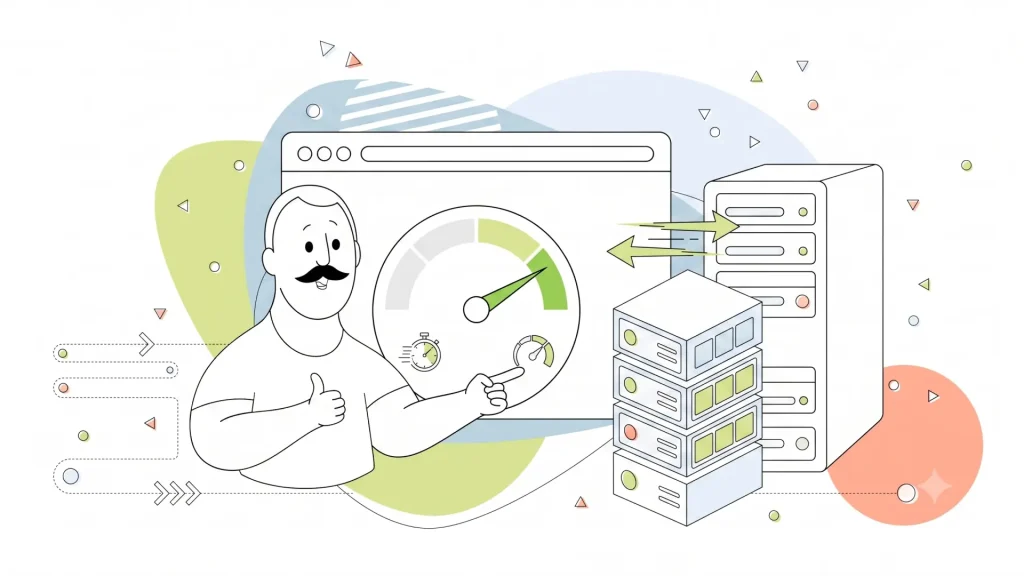
Dedicated resources that scale with your growth.
Root access, NVMe storage up to 3x faster than standard SSDs, DDoS protection and firewall, and your choice of managed or unmanaged from as low as $2.95 per month with 99.9% uptime and a 30-day money-back guarantee.